
Are Heat Pumps Becoming the New Standard in Colorado? What to Know in 2026
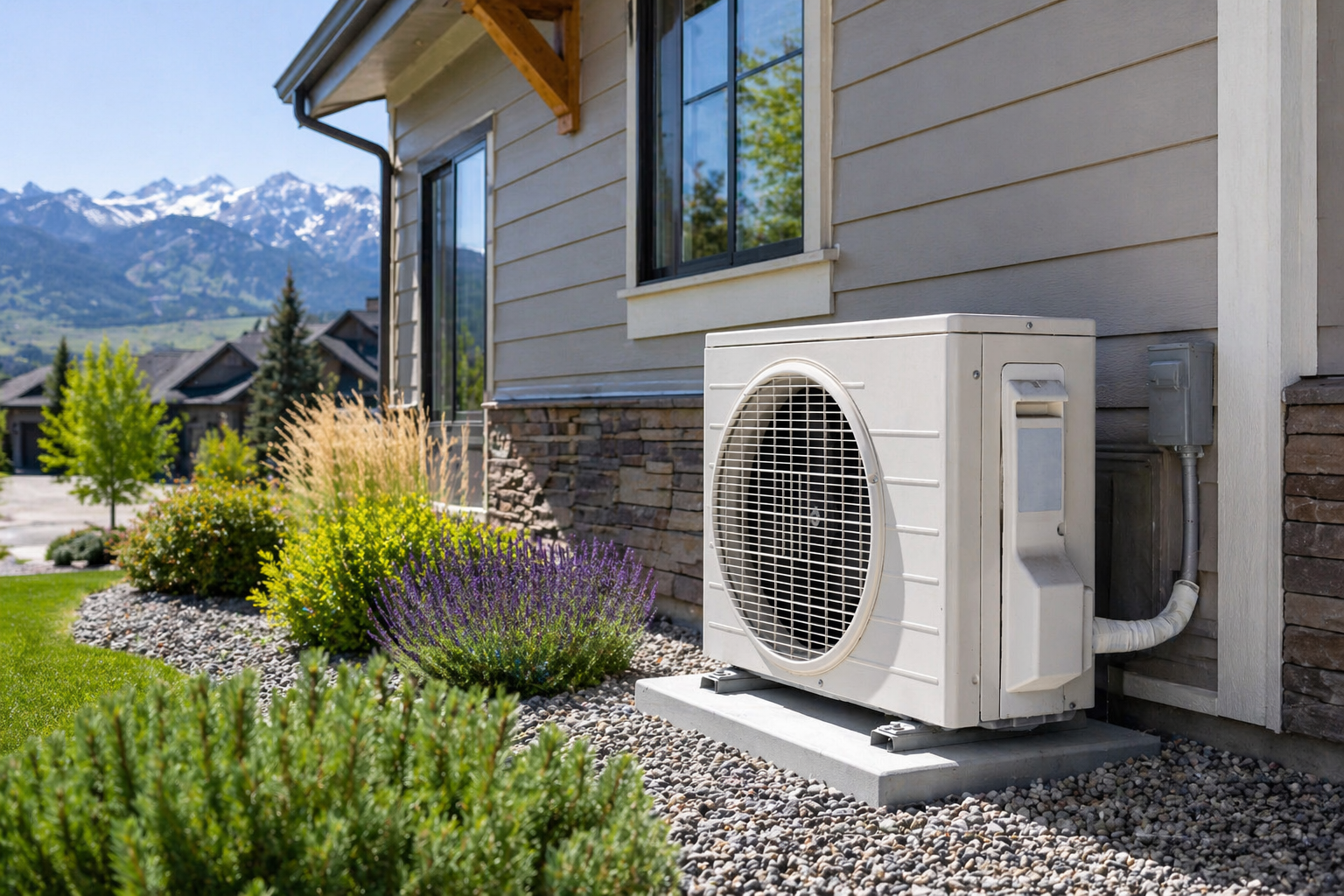
If you’ve heard that heat pumps are taking over in Colorado or replacing traditional furnaces, you’re not alone. There has been a lot of discussion around new regulations, changing building codes and updated appliance standards, leaving many homeowners wondering what it all means for their home.
The short answer is no — heat pumps are not mandatory for all Colorado homeowners in 2026. However, they are becoming a more common option for new construction and future replacement systems. Changes across the state are making heat pumps more attractive, more accessible and in some cases more practical than they were in the past.
At Better Built Heating, Cooling & Plumbing, we believe homeowners deserve clear information so they can make the best decision for their comfort, budget and long-term needs.
Colorado has introduced several policies aimed at improving energy efficiency and reducing emissions. Beginning in 2026, some new gas furnaces and water heaters must meet stricter ultra-low nitrogen oxide (NOx) emission standards. This may reduce the number of traditional models available and increase the cost of certain gas systems.
At the same time, rebates and tax incentives may be available for qualifying heat pumps and heat pump water heaters. Some newer building codes also encourage more energy-efficient electric systems, especially in new construction. These changes do not mean every homeowner must install a heat pump, but they do mean more people will likely compare heat pumps when it’s time to replace aging equipment.
So, do you need to replace your furnace with a heat pump right away? For most homeowners, the answer is no. If your current furnace is working properly, you are not being forced to replace it in 2026.
The biggest impact is likely to come when your current system eventually needs replacement. At that point, you may notice different pricing on gas systems, more incentives for heat pumps and more options to compare than in the past. That’s why planning ahead can be so valuable.
Heat pumps can be an excellent option for some homes, but like any system, they come with pros and cons. One of the biggest benefits is efficiency. Heat pumps move heat rather than create it, which can lower energy use. They also provide both heating and cooling in one system, making them a versatile year-round solution.
Many homeowners also appreciate the potential rebates and incentives that can help offset installation costs. Modern cold-climate heat pumps have improved significantly and can perform well during many Colorado winters.
There are also factors to consider before making the switch. Installation costs can be higher depending on your home’s electrical setup and equipment needs. Extremely cold temperatures may require backup heat depending on the model and home. Some homes may need ductwork updates, insulation improvements or panel upgrades.
Heat pumps also tend to deliver a steadier, lower-temperature heat than furnaces, which can feel different to homeowners used to traditional forced-air systems. While they are a great fit for many homes, they may not be the best option for every household.
The best step for homeowners in 2026 is not to panic — it’s to plan. If your system is older, struggling or nearing replacement age, now is a smart time to learn your options before you’re making a rushed decision during an emergency.
A professional evaluation can help you compare repair versus replacement, furnace versus heat pump and upfront cost versus long-term value so you can make the right decision for your home.
At Better Built Heating, Cooling & Plumbing, we’re here to help homeowners understand their options without pressure. Whether a heat pump makes sense for your home or another system is the better fit, our goal is simple: to help you make the right decision for your comfort and budget.
If you’d like to discuss your heating and cooling options, contact our team today.