
Dry, Dusty or Uncomfortable? How to Improve Your Home's Indoor Air This Winter
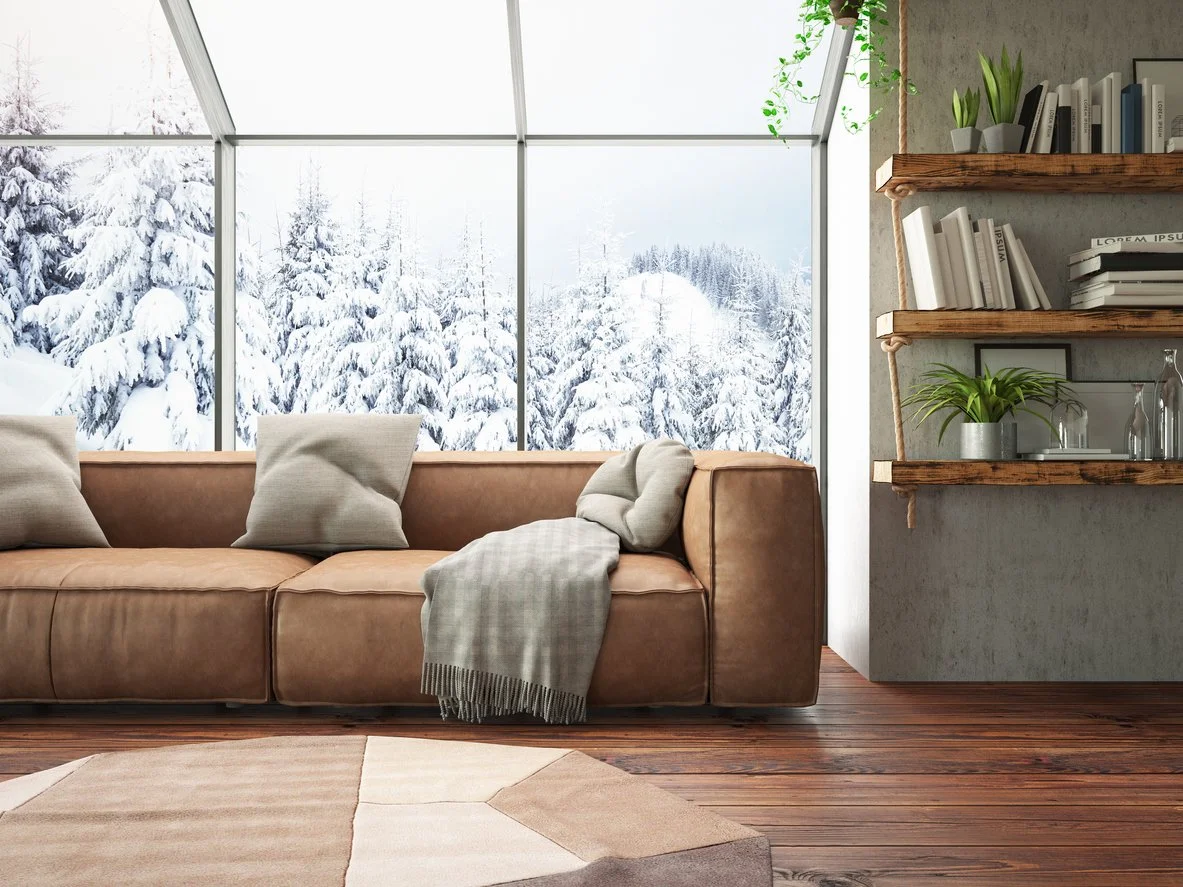
When winter arrives in Colorado, most homeowners focus on keeping their homes warm. But comfort isn't just about having a dependable heating system—it's also about the quality of the air inside your home.
If you've noticed dry skin, more dust around the house, increased allergy symptoms or simply that your home feels stuffy during the colder months, you're not alone. These are common concerns during heating season, and they're often tied to your home's indoor air quality.
The good news is that there are several ways to improve the air you breathe. From adding moisture back into the air to improving filtration, small changes can make a noticeable difference in your home's comfort throughout the winter.
Why Indoor Air Quality Changes During the Winter
Colorado's climate is naturally dry, and once colder temperatures arrive, most homes stay closed up to keep the heat inside. At the same time, your furnace is circulating air throughout your home much more often than it does during the rest of the year.
Because fresh outdoor air isn't entering the home as frequently, dust, pet dander and other airborne particles continue to circulate. The dry winter air can also leave your home feeling uncomfortable, contributing to dry skin, irritated sinuses, static electricity and even cracked wood furniture or flooring.
Some of the most common signs of poor indoor air quality include:
Dry skin or irritated eyes
Frequent static electricity
Excess dust around the home
Increased allergy symptoms
Dry throat or nasal passages
Air that feels dry or stale
Ways to Improve Your Indoor Air Quality
Fortunately, there are several ways to improve your home's indoor air quality during the winter, and the best solution depends on your home's HVAC system and your family's specific needs.
A whole-home humidifier works directly with your heating system to add moisture back into the air, helping reduce dry skin, static electricity and other discomforts caused by Colorado's dry climate.
Upgrading your air filtration can also make a noticeable difference. High-efficiency filters help capture dust, pollen, pet dander and other airborne particles before they continue circulating throughout your home.
For homeowners looking to further improve indoor air quality, UV light systems can be installed within the HVAC system to help reduce certain biological contaminants as air passes through the equipment.
If you've noticed excessive dust, recently completed a home renovation or have multiple pets, professional duct cleaning may also help remove built-up debris from your ductwork and improve airflow throughout your home.
In addition to these whole-home solutions, homeowners can also improve indoor air quality by replacing HVAC filters regularly, dusting and vacuuming frequently, keeping vents clear and scheduling routine HVAC maintenance.
Breathe Easier This Winter
Every home is different, which means there's no one-size-fits-all approach to improving indoor air quality. Some homes benefit most from better humidity, while others may need improved filtration, duct cleaning or a combination of solutions.
If you're unsure where to start, the team at Better Built Heating, Cooling & Plumbing can help evaluate your home's HVAC system and recommend options based on your family's needs and your home's setup.
If you're ready to enjoy cleaner, healthier and more comfortable air this winter, contact Better Built today to learn more about the indoor air quality solutions available for your home.